
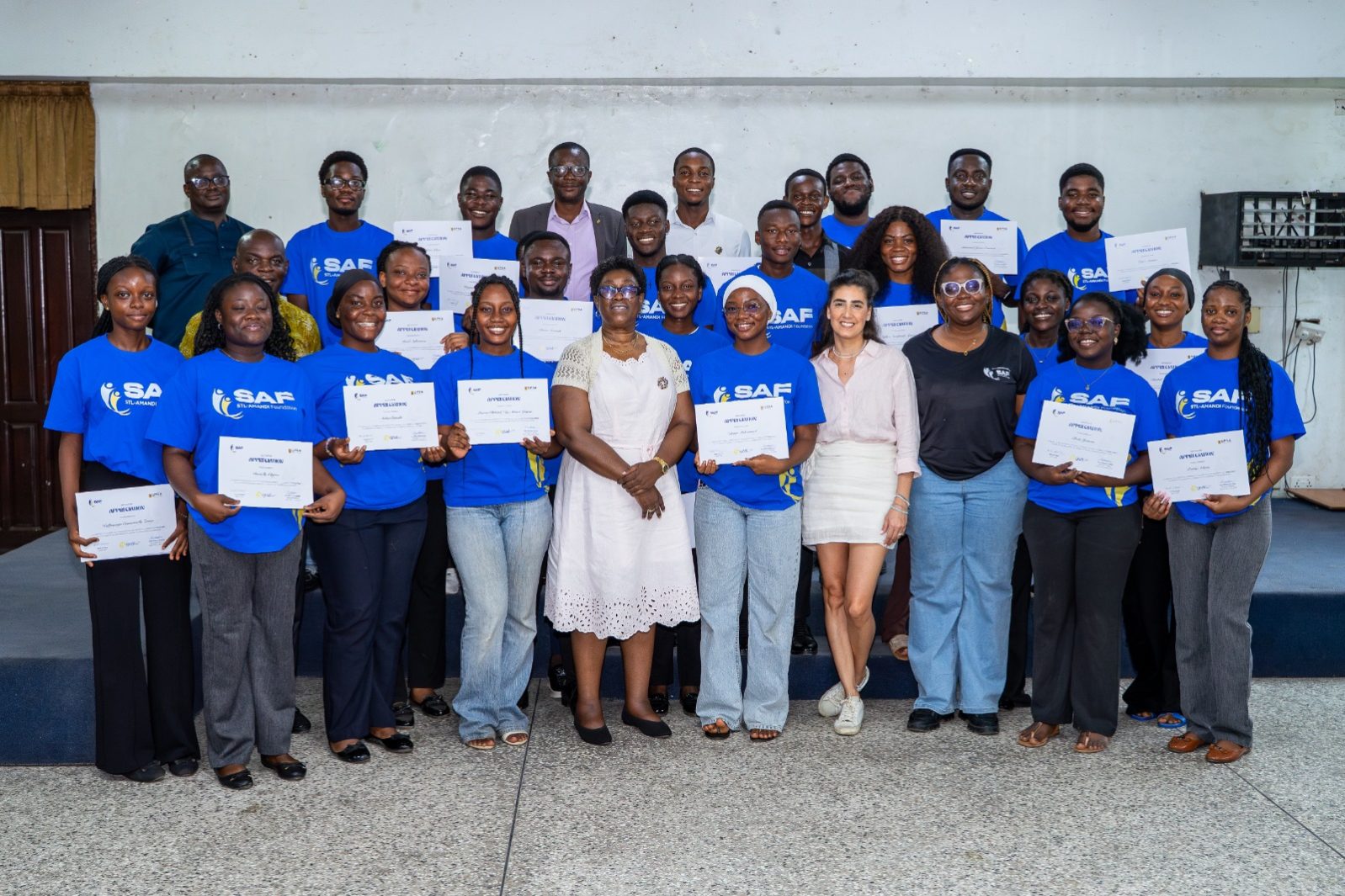
The STL-Amandi Foundation Ghana, in collaboration with the University of Professional Studies, Accra (UPSA), successfully concluded its impactful six-month Generation of Academic Leaders (GOAL) programme.
The closing ceremony celebrated student growth, volunteer dedication, and a shared commitment to community development. Over the course of six months, tertiary student mentors worked directly with primary school pupils in under-resourced schools across Accra, delivering consistent academic support and mentorship.
The strategic partnership between STL-Amandi Foundation and UPSA highlights the vital role higher education institutions play in driving grassroots educational intervention and youth leadership.
Why the GOAL Programme Matters
The GOAL initiative bridges the gap between under-resourced classrooms and dedicated academic mentors, fostering foundational learning and long-term student development.
- Improves primary school literacy and numeracy scores.
- Provides structured one-on-one mentorship for young learners.
- Cultivates civic responsibility and leadership among university students.
- Strengthens community ties between tertiary institutions and local schools.
Key Highlights of the Six-Month Cohort
Throughout the six-month cycle, student mentors and program coordinators achieved significant developmental milestones with participating pupils.
- Consistent weekly tutoring sessions across multiple partner primary schools.
- Targeted reading and basic mathematics workshops.
- Leadership and personal development training for UPSA student volunteers.
- Measurable improvements in classroom engagement and pupil self-confidence.
- A collaborative closing event recognizing top-performing mentors and pupils.
Core Pillars of the Initiative
The initiative relies on structured engagement across every phase of execution to ensure lasting community impact.
1. University Collaboration
Mobilizing motivated university students allows the foundation to deliver targeted tutoring at scale while empowering young adults.
2. Targeted Academic Mentorship
Every session is designed to address specific learning gaps in reading, writing, and logical problem-solving.
3. Community Engagement
Working closely with local headteachers ensures alignment with school curricula and continuous student attendance.
Benefits of Student-Led Mentorship
Peer and youth-led education models provide unique social and academic advantages for primary school children.
- Enhanced confidence and active participation in class.
- Relatable role models that inspire educational ambition.
- Safe, supportive spaces for individual learning support.
- Stronger leadership and civic service skills for university volunteers.
Sustaining Educational Impact
Long-term educational improvement requires consistent investment, partner collaboration, and ongoing monitoring to ensure every child gets the attention needed to succeed.
Conclusion
The successful completion of this six-month GOAL cycle demonstrates the transformational power of youth mentorship. STL-Amandi Foundation and UPSA remain dedicated to nurturing academic leaders and expanding educational opportunities across Ghana.